EDWARDS AIR FORCE BASE, Calif. -- I was driving back from a long weekend away from my security forces squadron at Minot Air Force Base, North Dakota, when it hit me for the first time. Out of nowhere, I felt extremely sick and cold. Not just uncomfortable, but deeply cold, like something inside me was shutting down. My stomach felt empty. My body began to tense, wracked by waves of nerve contractions I couldn’t control.
I pulled over on the side of the road, sitting in my truck, convinced I was having a stroke.
I had no idea at the time I was experiencing my first panic attack.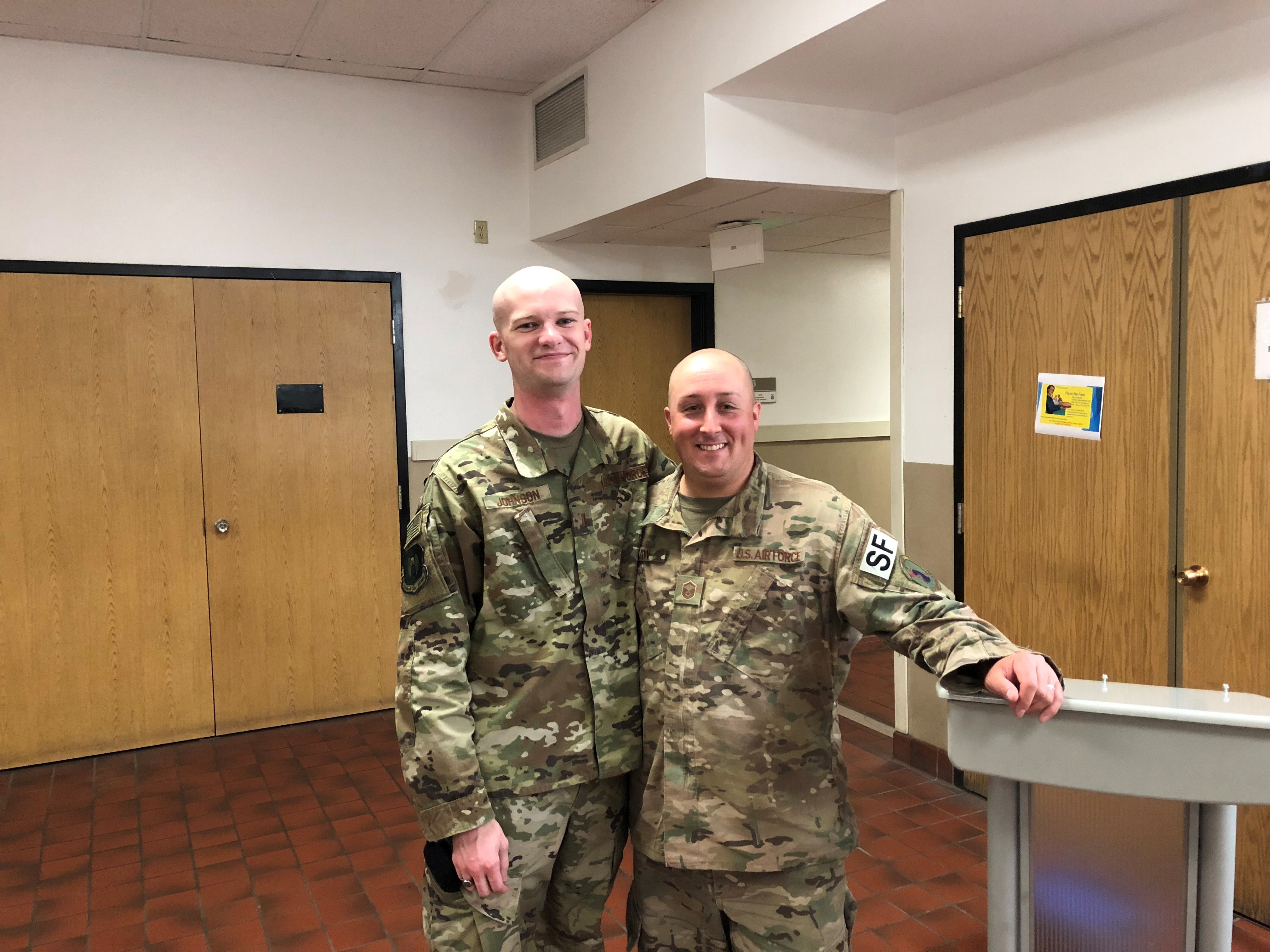
By then, I had already spent two years at Minot AFB working on flight leading my 108 defenders. My flight chief, a man I respect as a father figure, and I weathered many storms together. We always answered the call and accomplished the mission. Yet, despite our outward resilience, I never took the time to process the toll it took on me.
In a profession that demands constant readiness, I thought strength meant pushing through. Per the Department of the Air Force Instruction 31-117, Arming Use of Force, which list the requirements to constantly maintain my ability to carry government firearms, I avoided mental health support because I didn’t want to let my team down.
I saw what happened to others. People went to mental health and didn’t always return to our flight. They became numbers on a roster, seen as negatively impacting manning and mission capability.
So, I carried it. Quietly. Like many of us do.
Hoping a Change Would “Fix” Me
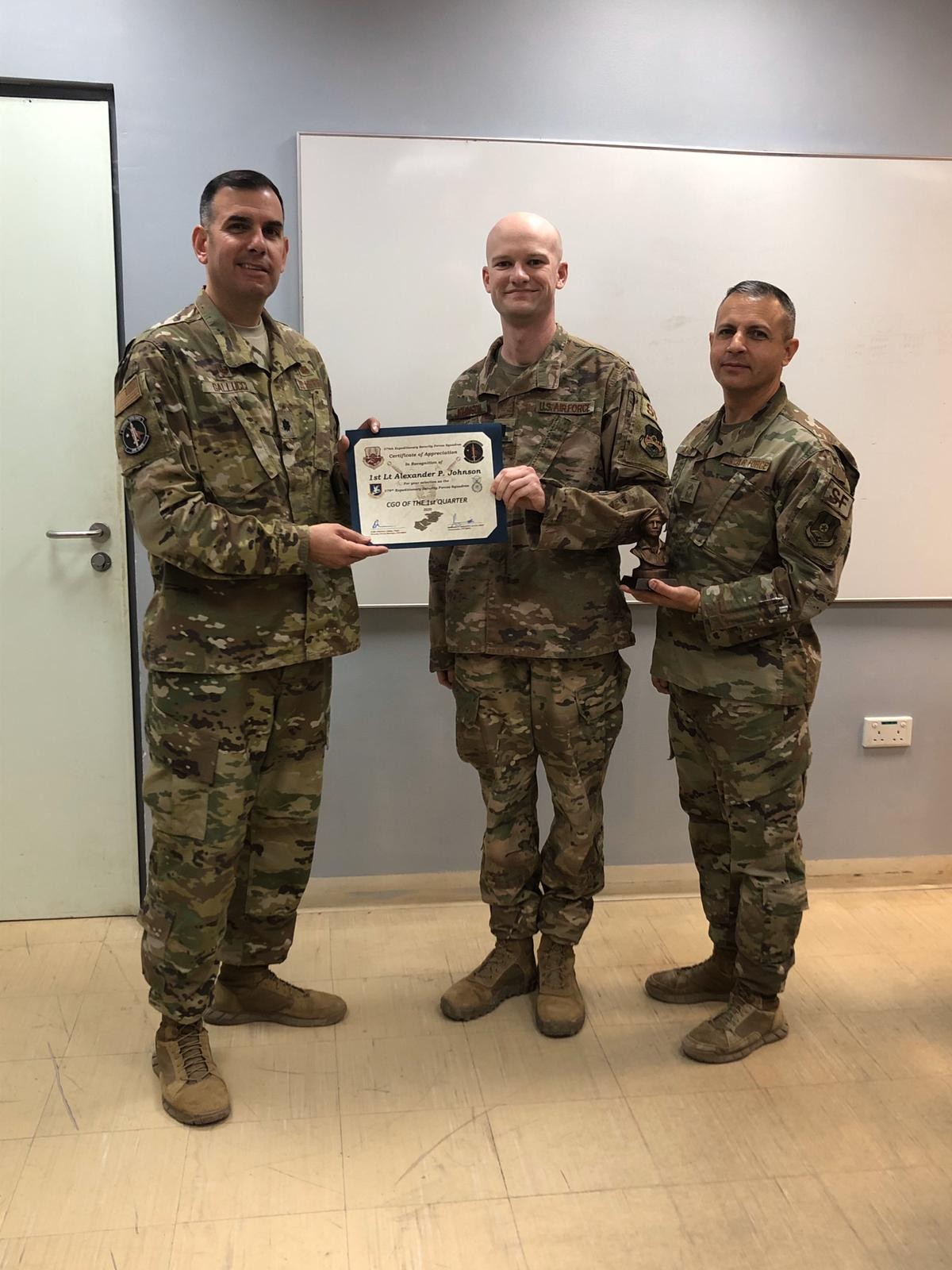 I had decided to turn to my priest for guidance, and with his support, I convinced myself that a change of environment would fix what I was feeling. A deployment to Qatar felt like the reset I needed.
But only days into that deployment, we conducted the strike on Qasem Soleimani. We shifted into FPCON Charlie. Then came COVID-19 restrictions in 120 -degree heat. Then, Alarm Red notifications that made everything feel real in a way training never could.
The anxiety did not go away. It grew.
And so did the flashbacks.
My next assignment was Germany. It was supposed to be a fresh start. After North Dakota and the Middle East, it had to be better.
But months into the tour, we supported the largest humanitarian airlift in U.S. history during the evacuation of Afghanistan. Shortly thereafter, the conflict in Ukraine escalated. Ukrainian personnel arrived seeking equipment, logistical support, and any available resources.
At the same time, I faced one of the hardest moments of my career, escorting one of my own Airmen to confinement for seven years.
I told myself what many warfighters tell themselves. Keep it to yourself. Stay mission- focused. It worked before. It will work again.
But it wasn’t working.
When Readiness Became Personal
I eventually got stationed at Edwards AFB, California, and I was staying positive and ready for what came next in my career. But shortly after arriving, I prepared for another deployment to the United States Central Command area of responsibility. During my deployment health assessment, I noticed something that stayed with me. There were only a few questions about my physical health, but my records flagged me for needing a mental health waiver because I had gone to mental health once in Qatar.
That single visit nearly cost me the deployment. In that moment, I realized something we do not always say out loud.
Mental health is not separate from readiness. It defines it. My readiness. My team’s readiness. The mission. 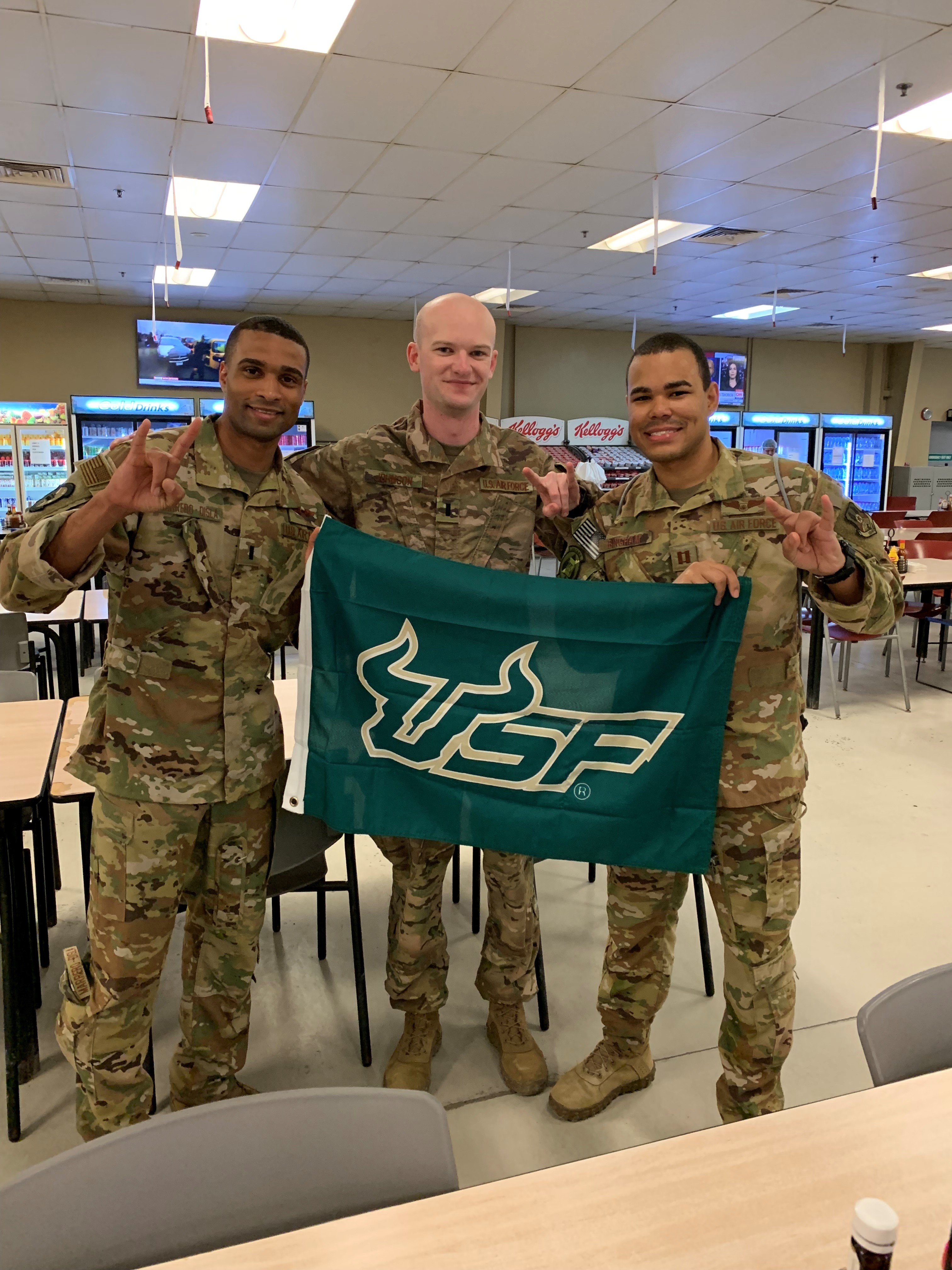
I felt overwhelming guilt at the thought of someone else having to take my place because I had not taken care of myself. I pushed for the waiver, eventually received it, and deployed.
I told myself I would figure it out later, but then, Oct 7, 2023, happened and Hamas had initiated an attack on Israel, all of CENTCOM was placed into FPCON Charlie for multiple months. During this time, I was on extreme high alert, ensuring I was the best leader possible for my Airmen, and that they had what they needed physically and mentally.
And then, on Feb. 2, 2024, I rendered a final salute to three caskets delivered from Tower 22 for final military honors.
My Breaking Point & The Fear of Being Seen
When I returned home from deployment in April of 2024, my friends were there to greet me. For a moment, it felt like things might finally settle. Like I could ease into getting help.
Then it happened again.
I fell down in my house, shaking uncontrollably, calling out for my mom, feeling that same cold, overwhelming loss of control that I had first experienced back at Minot AFB, years prior. 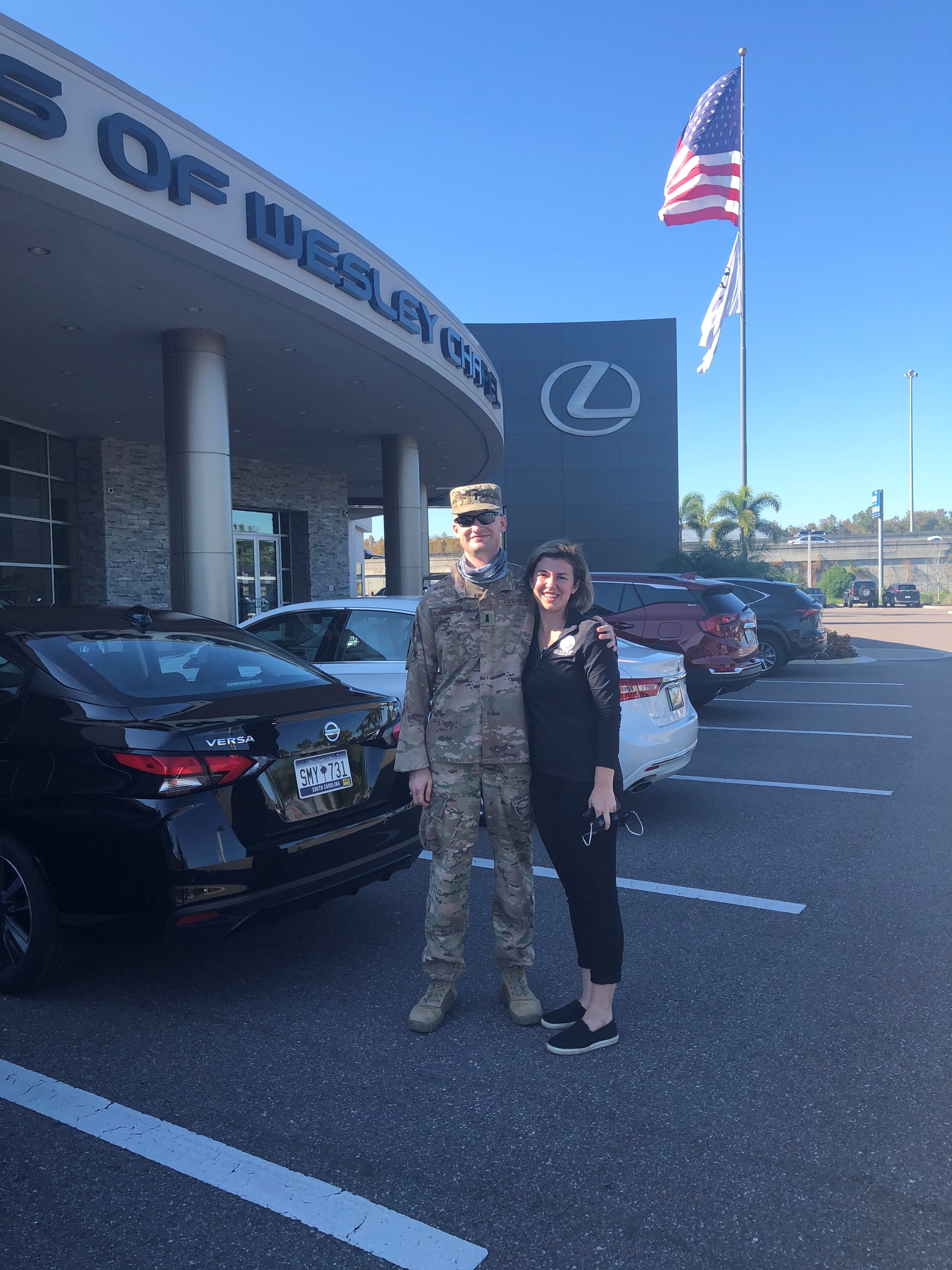
That was the moment I knew something had to change. I had to put my mental health first.
I remember holding my prescription for Lexapro for the first time and it was prescribed to me to help with my Post Traumatic Stress Disorder and anxiety.
My first thought was not relief. It was fear.
What would people think? Would I be talked about during the temporary arming withdrawal sync?
I envisioned my name being on the list in front of senior leaders for why I couldn’t be armed for 30 days. This was something I had tried to hide for years.
But when that moment came, something unexpected happened.
Nothing.My name was read, and we moved on. No judgment. No discussion. No assumptions.
For the first time in nine years, I felt a sense of peace I didn’t know that I had been missing.
Being a Wingman Starts with Speaking Up
After experiencing what I saw that same day, I shared a photo on my social media of me and my prescription bottle. It wasn’t easy, but it felt necessary. I stayed connected with many of my former Security Forces Airmen, and I didn’t want them to go through what I had gone through alone.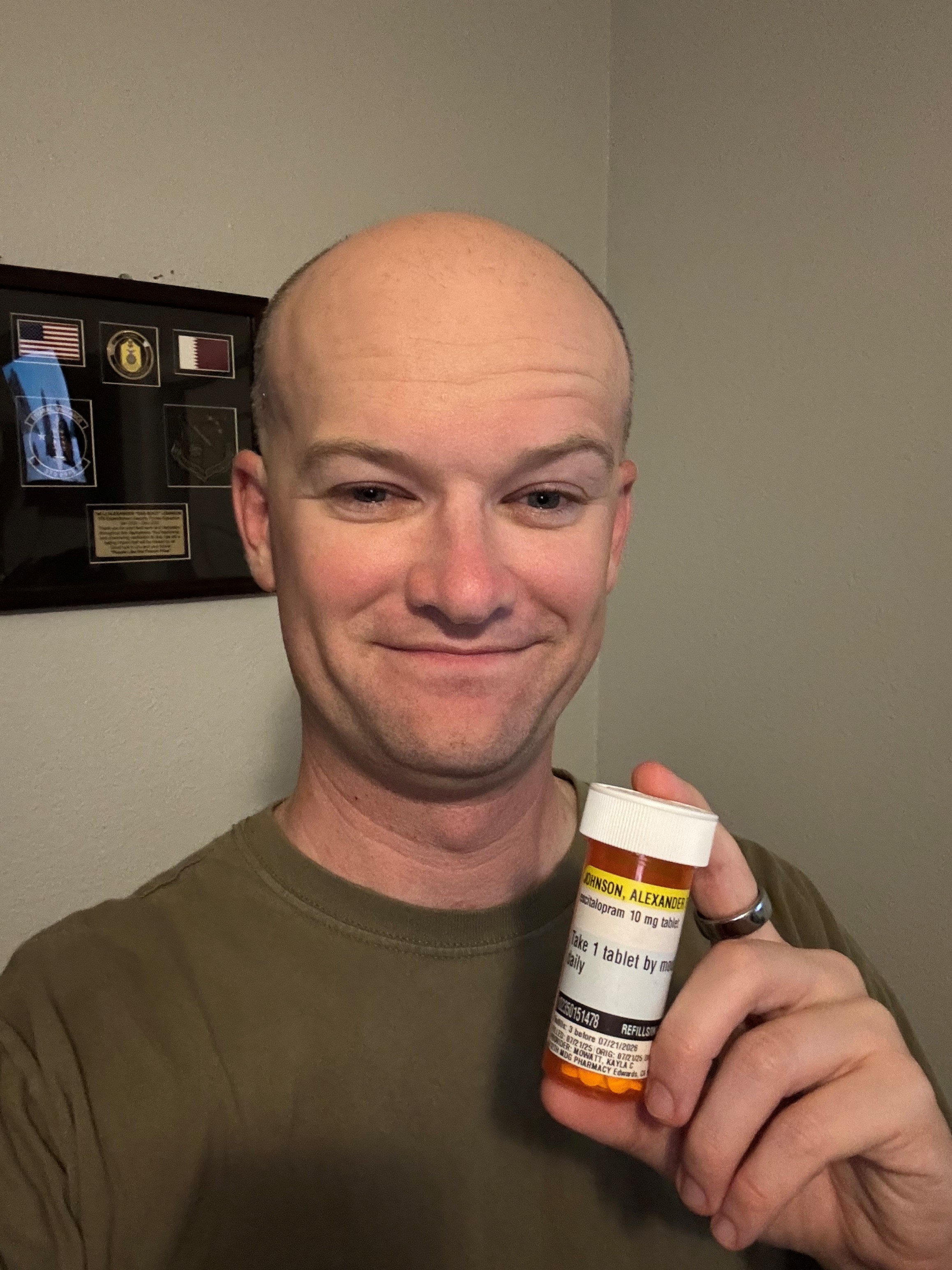
Being a wingman is not just about showing up in training or covering someone on shift. It is about recognizing when someone is carrying too much and helping them put down the extra weight.
In the months that followed my action of speaking up and getting the help I needed, something changed.
The Temporary Arming Withdrawal list grew by more than 50% for short-term medication cases.
What I once feared became visible across the unit.
What I didn’t realize before was that this was not just my issue. It was a readiness issue the unit hadn't acknowledged.
Modernizing The Warfighter Mindset Builds the Foundation of Lethality
The U.S. Military has historically defined a warfighter as someone with nonstop physical resilience, toughness, and endurance. We talk about lethality in terms of weapons systems, training, and capability. But none of that can be enabled if the Airmen behind it are struggling in silence.
Those traits matter and always will, but without recovery, they are not a strength; they are risks. And so, I would argue that mental health is the foundation of modern lethality.
A true warfighter mindset is not about ignoring the weight that comes with serving and life in general. It is about managing it so you can continue to fight, lead, and take care of your people.
Mental health care is not a weakness in the force. Rather, it is a force multiplier.
If we hesitate to seek help because we are afraid of how it will look on a spreadsheet, then we are accepting a risk far greater than any temporary limitation.
We owe it to each other to be better wingmen. We owe it to the mission to be ready when our nation calls. And that starts by putting down the weight we were never meant to carry alone.
If you or someone you know is struggling with mental health and needs assistance, there are options.
Immediate Crisis (All Personnel): Dial 988 (Service Members and Veterans, press 1) to reach the Suicide & Crisis Lifeline, available 24/7. You can also text 838255.
Active-Duty Service Members: Contact your local Military Treatment Facility (MTF) or base Mental Health Clinic. You can also access confidential, non-medical counseling 24/7 through Military OneSource at 1-800-342-9647.
DoW Civilian Workforce: Reach out to your agency's Employee Assistance Program (EAP) for free, confidential counseling and support services.